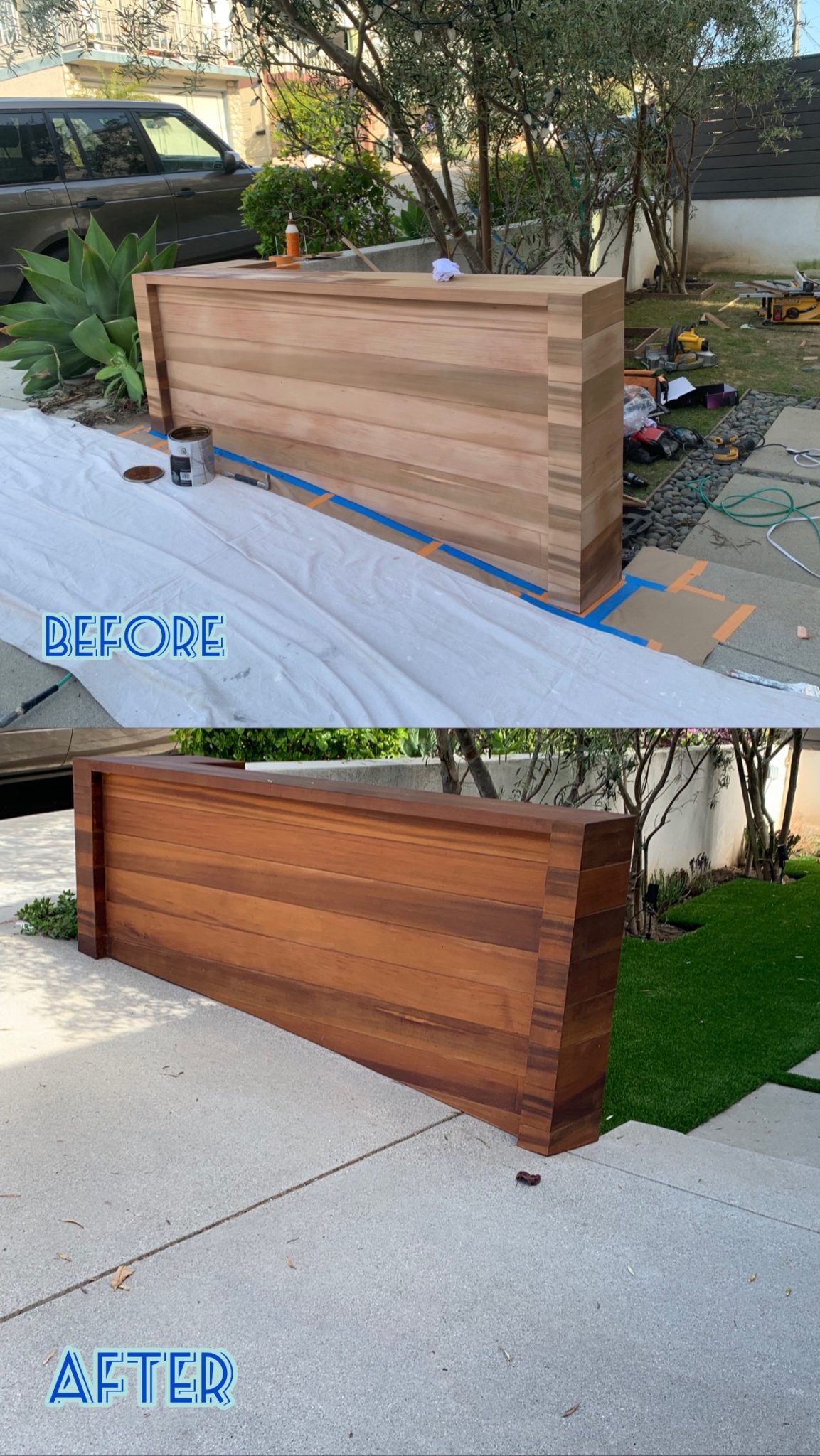
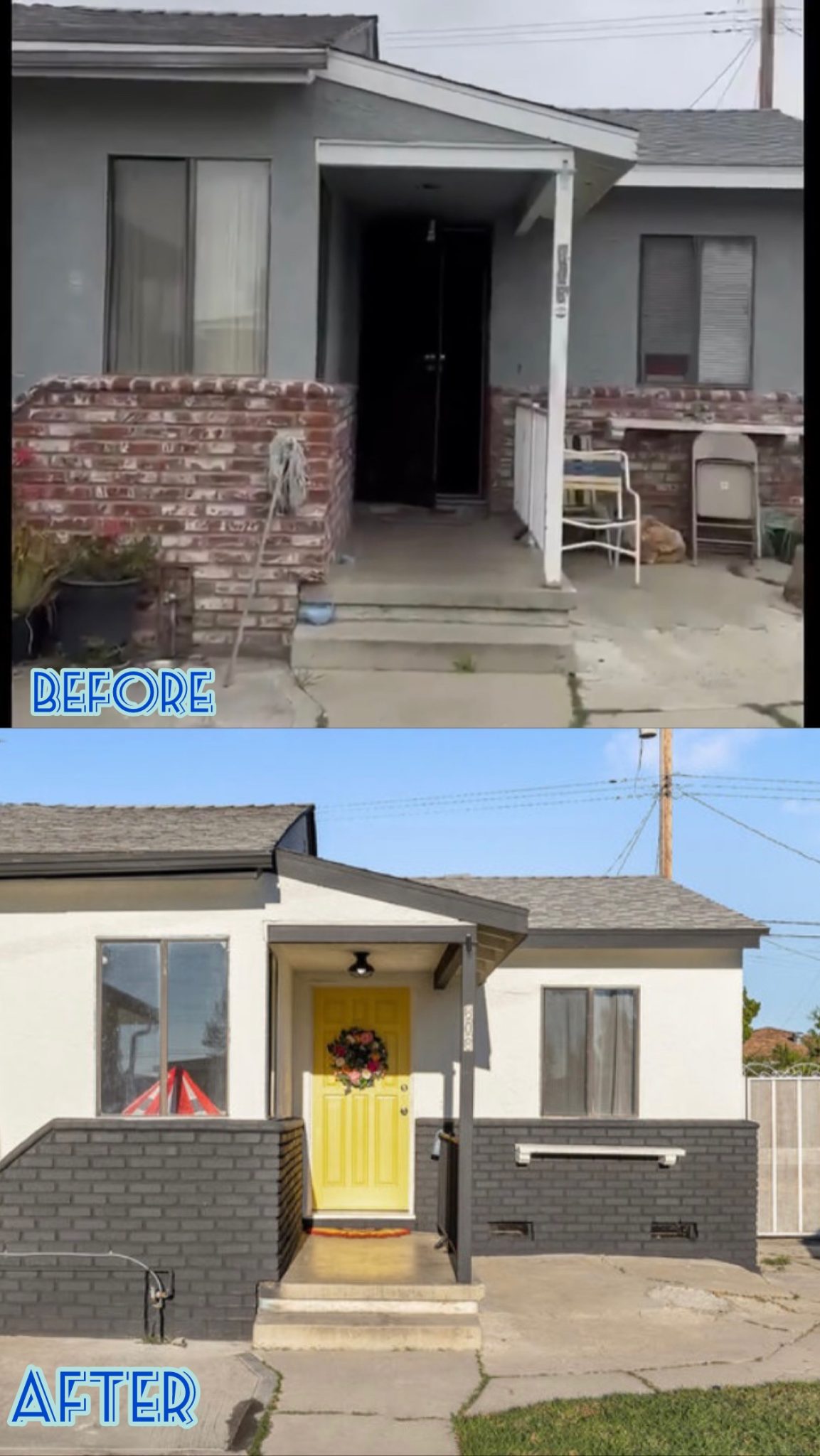
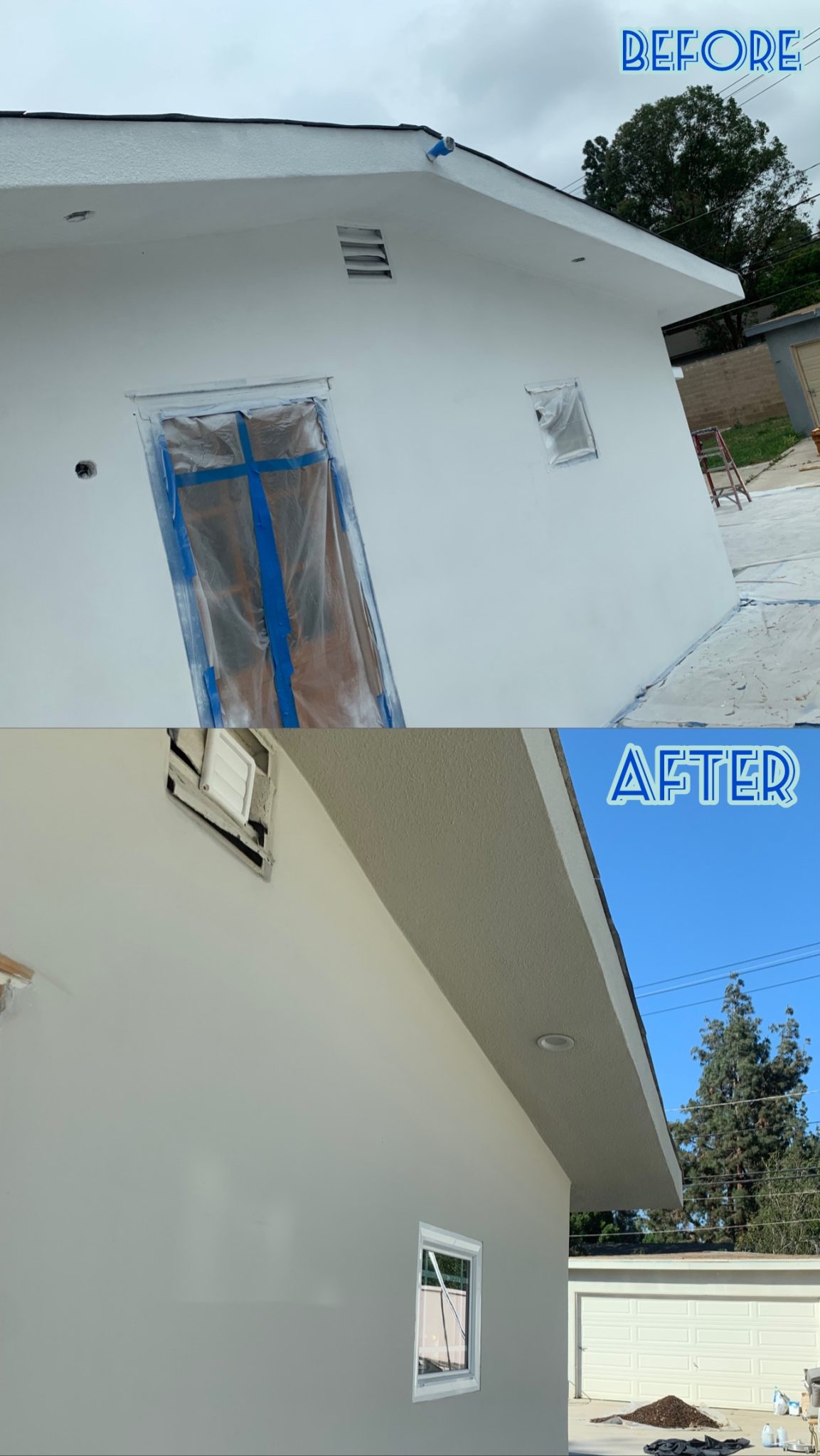
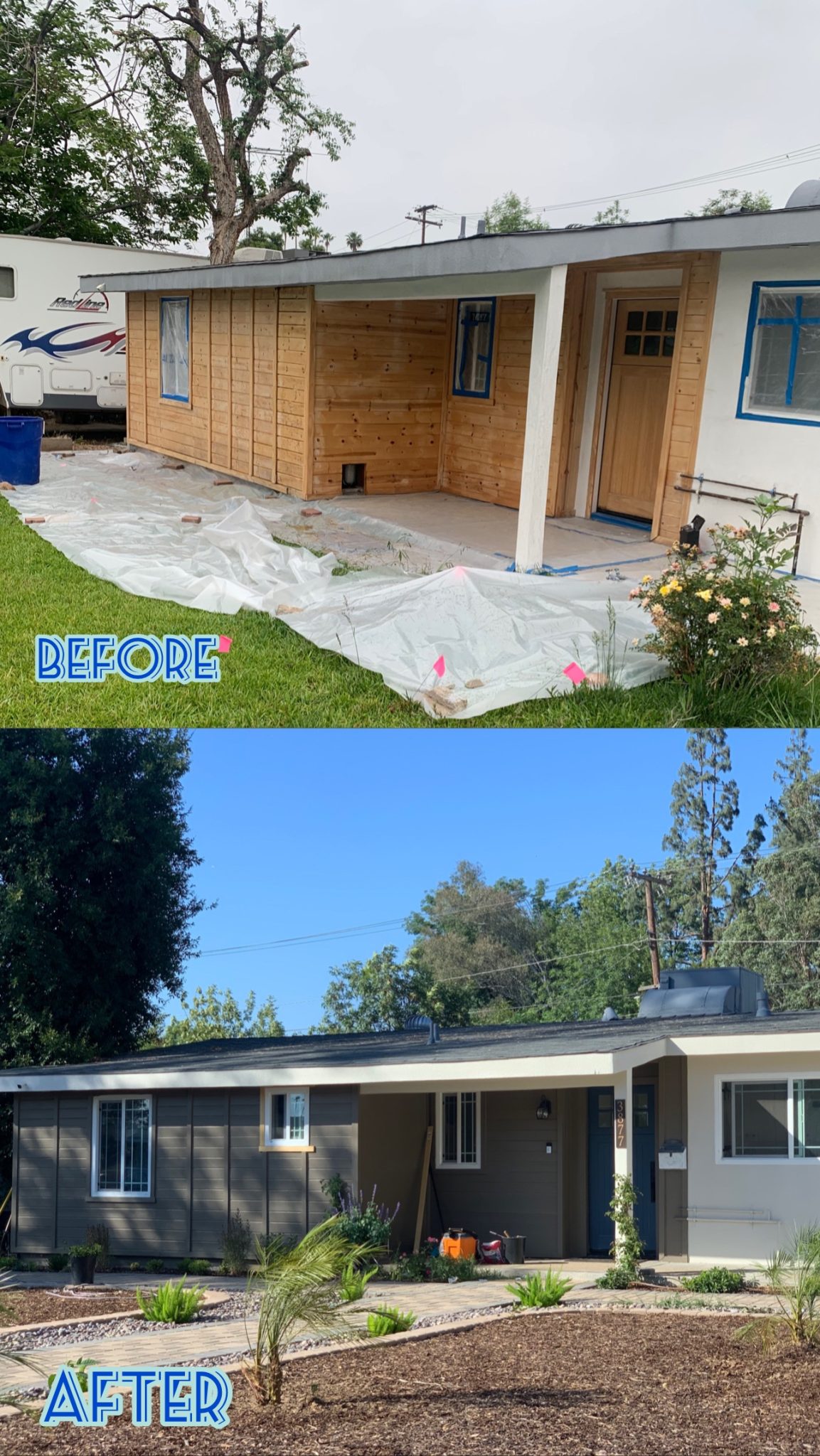
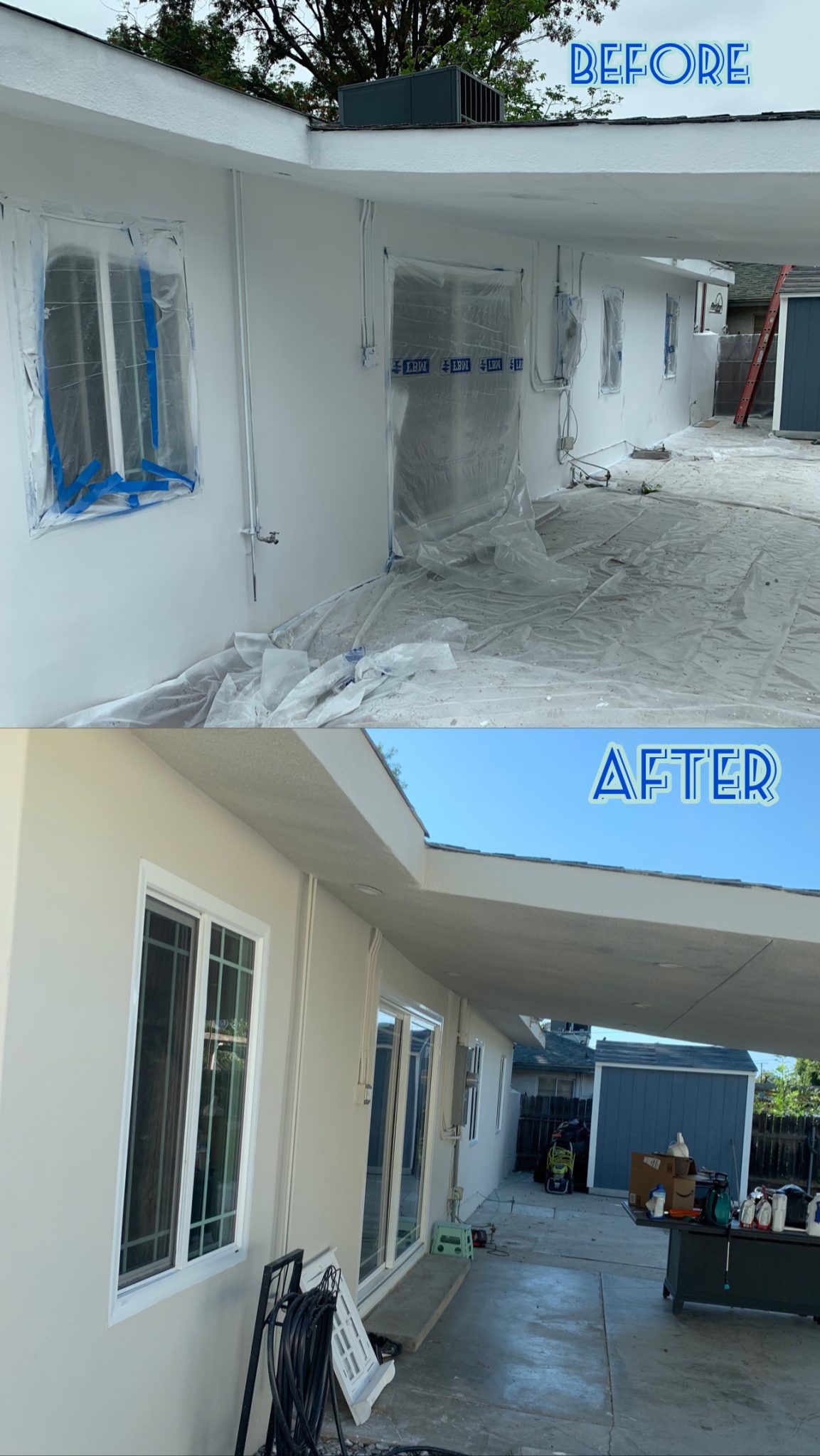
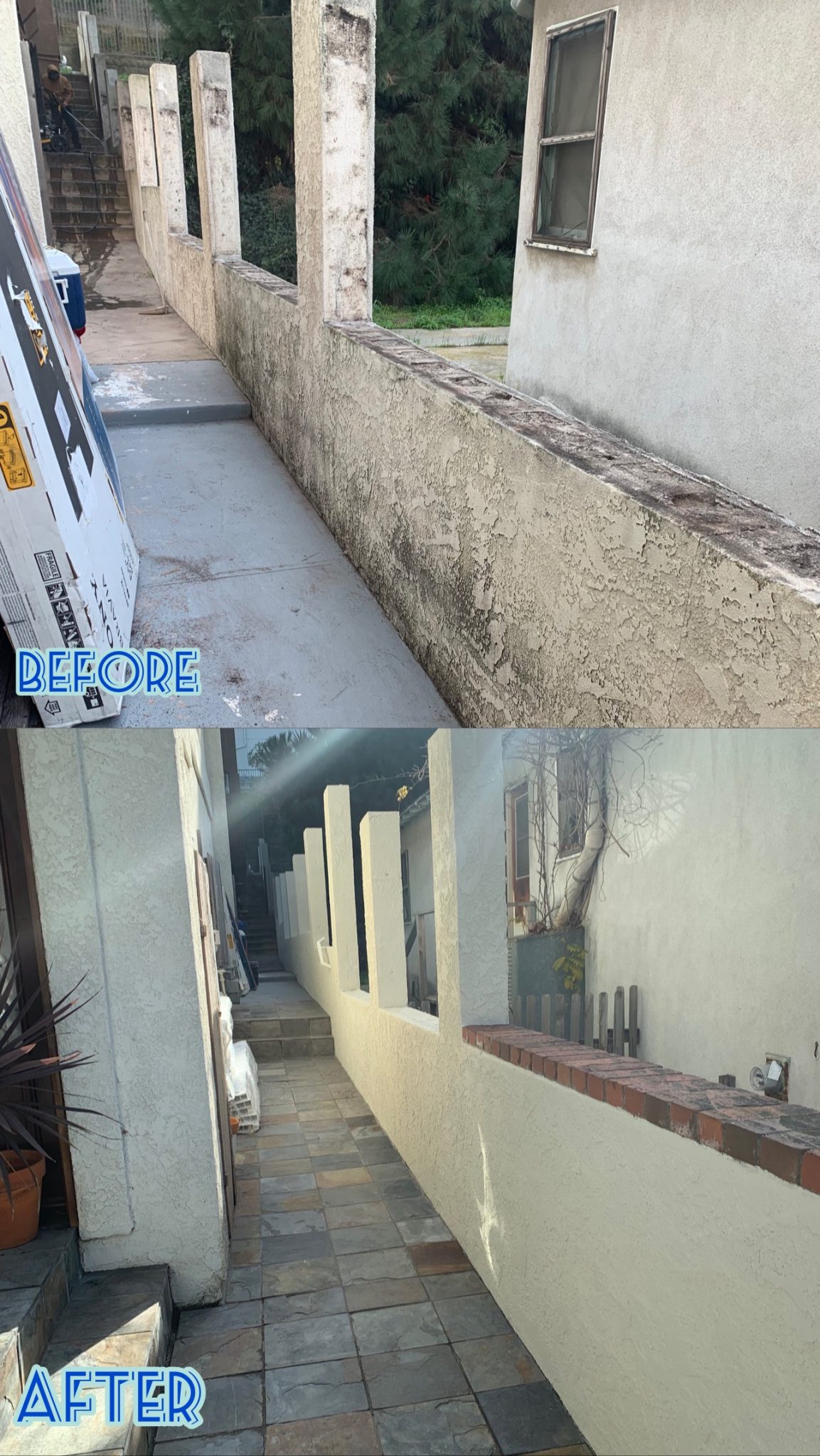
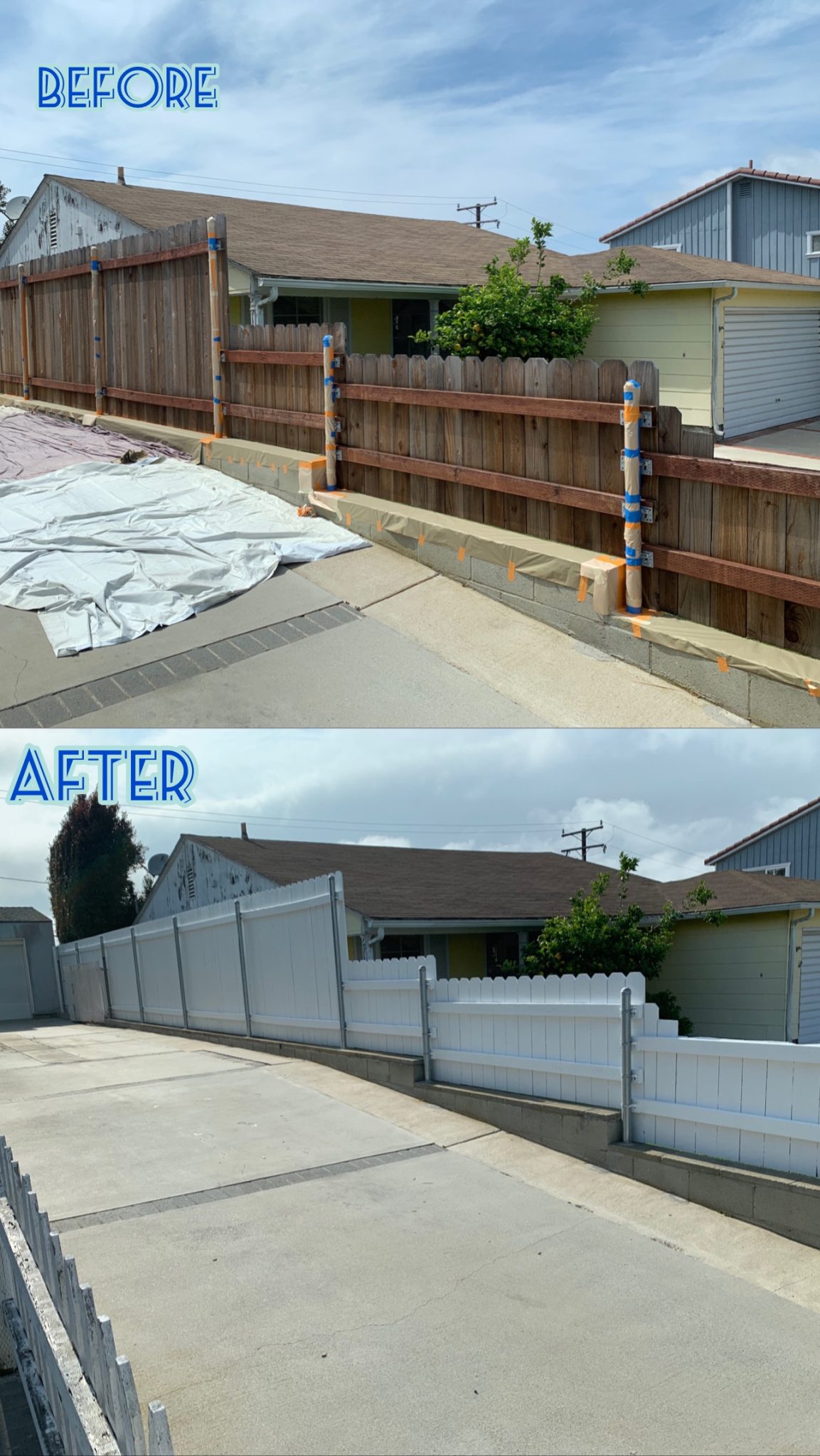
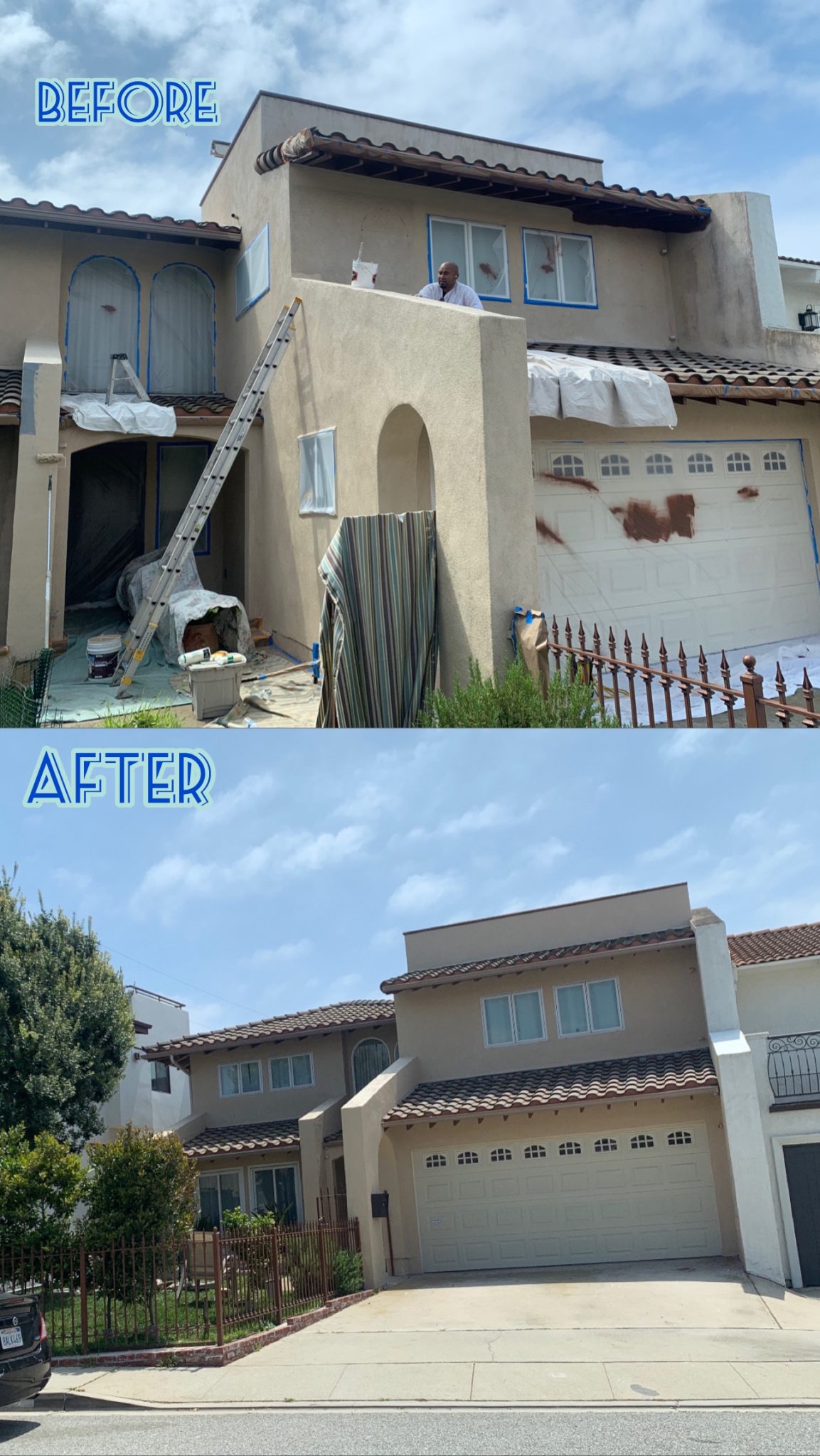
“We had the most amazing experience getting our walls painted throughout our home and also having our vinyl floor planks installed. Marvin, Joel and their team were professional, prompt, trustworthy, hardworking and EFFICIENT! We are extremely happy with the results and will be hiring them again for other jobs in the future.“
– Elysia M
An accessory dwelling unit (ADU) is a second, self-contained home on your property, and building one is a major construction project that works best with an experienced contractor. This page is for Los Angeles homeowners who want to add living space for family, tenants, or guests and want to understand the options, process, and costs before they start.
Blue Coast Pro Builders & Painting helps homeowners across the Greater Los Angeles area and Los Angeles County plan and build ADUs. If you’re curious what’s possible on your property, we’d be glad to talk it through with you. Contact us today for more information!
An ADU, sometimes called a granny flat, in-law unit, or guest house, is a secondary residential structure on the same lot as an existing home. California law allows at least one ADU on most single-family lots, making ADUs one of the most practical ways to add living space and housing in a competitive market. Homeowners use them for rental income, multigenerational living, home offices, and long-term flexibility.
Whether you prefer a custom ADU design or a prefab ADU approach, we help you choose what fits your lot and budget.
Our experienced team of ADU specialists manages every step of the project, from initial design to final finishing with durable materials. Our ADU construction process includes the following steps:
Using pre-approved plans can sometimes speed approval.
An addition extends your existing home and shares its kitchen, systems, and entrance. An ADU is a separate residence with its own kitchen, bathroom, and usually its own entrance, so you can rent it out or live in it independently.
Additions suit growing households that want a bigger main home, while ADUs suit those wanting independent living space, rental income, or a separate home for relatives. ADUs also follow their own set of state and local rules, which can differ from addition rules.
Honest planning means knowing the challenges.
Look for a licensed contractor (verify status with the California Contractors State License Board), proof of general liability and workers’ compensation insurance, recent local experience with zoning and permitting, and strong references. Compare at least three itemized bids and make sure the contract clearly defines scope.
Costs depend on type, size, finishes, and site conditions. Detached ADUs often run roughly $240 to $300 or more per square foot in this market, and total projects commonly range from $150,000 to $400,000. Design and permit fees alone can run $5,000 to $15,000.
What is the cheapest way to build an ADU? Usually a garage conversion or a junior ADU, since they use existing structure and avoid new foundations.
Ready to explore an ADU on your property? Contact Blue Coast Pro Builders & Painting for a free consultation and site visit. We serve homeowners living in the Greater Los Angeles area.
About four to six months of construction after permitting, with permit review taking weeks to a few months.
A JADU must include an efficiency kitchen, which generally means a food preparation counter and storage cabinets of reasonable size, along with a cooking appliance. It may share a bathroom with the main home.
In most cases, no, you don’t need to provide parking. Los Angeles generally doesn’t require parking for ADUs, and replacing a converted garage’s spaces typically isn’t required.
Properties with ADUs often appraise higher, though returns can vary.
Generally, yes, though local rules may apply, so check with us before planning.